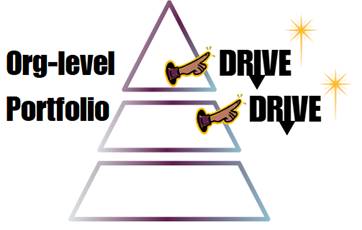
At the organization level, strategy is the set of choices about where to play, how to win, and what capabilities to build. The enterprise business model gives up the picture
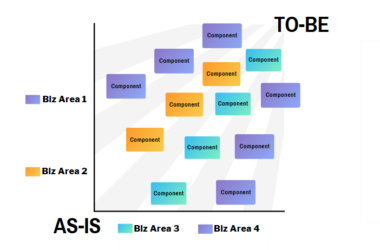
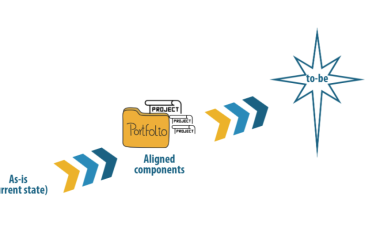
PMI recommends using an “as-is” to “to-be” visual to illustrate — at a high level — how the portfolio aligns with the organizational strategy and objectives. It’s an integrated view
In prior posts I covered portfolio strategic design and the prioritization model (pre‑component). These addressed: Here we will start looking at component‑level portfolio construction Tasks 4–6 in the Strategic Alignment
Tasks 1–3 in the Strategic Alignment test domain in PMI’s Exam Content Outline for Portfolio Management describe a sequence that turns broad strategic direction (at the organizational level) into a
These are 2 great tables from the paper: Development of a managerial tool for prioritization and selection of portfolio projects using the Analytic Hierarchy Process methodology in software companies Desenvolvimento
The prioritization model listed in a Portfolio Strategic Plan guides how the portfolio management practice will sort, select, and sequence initiatives. A model defines the criteria that express strategic intent,
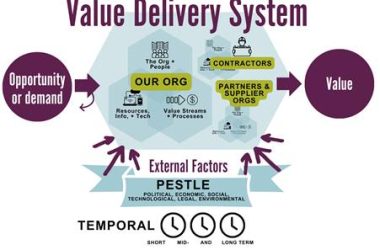
An enterprise-level business model converts strategic choices into how the enterprise will create, deliver, and capture value. Strategy tells the organization which customers and needs to prioritize and which competitive stance
For the Portfolio Communication Management domain, you must respond to one of the following two experience prompts: Both prompts require you to demonstrate how you supported portfolio-level communication—either by designing
For the Portfolio Risk Management domain, you must respond to one of the following two experience prompts: Both prompts require you to show that you addressed risk at the portfolio
For the Portfolio Performance domain, you must respond to one of the following two experience prompts: Both prompts require you to demonstrate how you assessed and influenced portfolio-level performance. Show