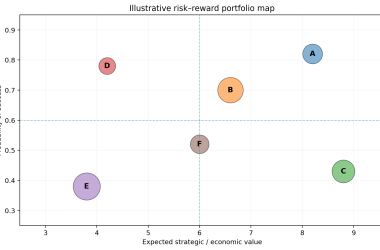
How portfolio managers use risk to shape selection, balance, funding, and value decisions At portfolio level, risk management is part of strategy because portfolio choices are investment choices under uncertainty.
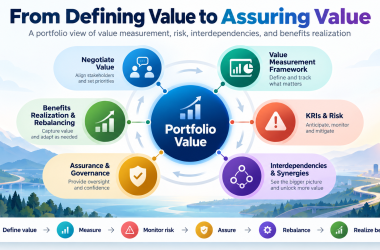
Value is in the eye of the beholder… Portfolio value begins with a deceptively difficult question: What does value mean for this portfolio? Financial return may matter. Customer outcomes may
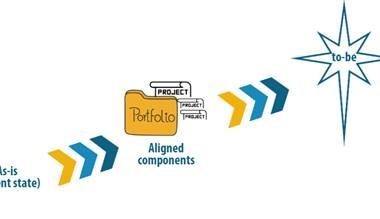
Portfolio management is often described as though organizations follow a clean sequence: identify strategy, assemble a list of components, evaluate them, prioritize them, authorize the portfolio, and then monitor performance.
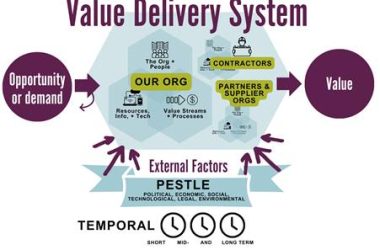
Organizational Project Management, commonly abbreviated as OPM, is the framework by which an organization integrates its portfolios, programs, and projects with its organizational strategic intent to deliver value. OPM treats
Portfolio Composite Index Three-step formula — weighted CPI & SPI with a 70/30 blend What the letters mean CPI — Cost Performance Index. Are you on budget? SPI — Schedule
Every organization tells a story about itself — who it is, why it exists, where it is going, and what it expects from the people inside it. That story is
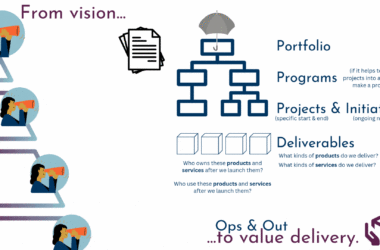
(Right-click and open in a new tab to enlarge) Most organizations are full of well-intentioned work that never quite adds up. Projects finish on time, budgets hold, deliverables get checked
In formal management theory and practice, vision, goals, and objectives define the big WHATs, while strategy and business models describe how this will happen in practice… the big HOWs. Strategy
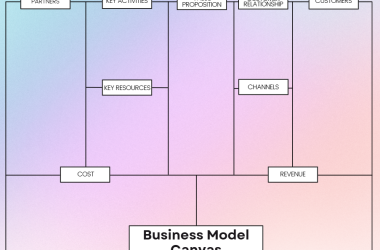
A business model explains how value is created, delivered, and captured. It describes how an organization meets customer needs in a way that is financially viable. This includes how revenue
An operating model defines how an organization functions to deliver on its strategy and business model. It’s not the same as structure or process—it’s the full architecture of how decisions