
Knowledge work today depends on how fast people can form accurate mental models, adapt to new conditions, and transfer learning across domains. Traditional training approaches often slow this process because
This is a quiz that *mostly* tests your knowledge of when to refer to the Benefits Register and the Benefits Management Plan (a.k.a. the Benefits Realization Plan). Use the *hint*
In formal management theory and practice, vision, goals, and objectives define the big WHATs, while strategy and business models describe how this will happen in practice… the big HOWs. Strategy
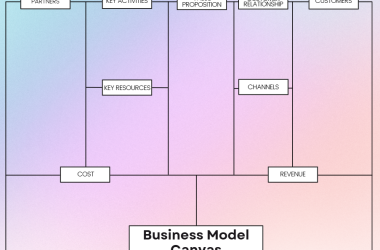
A business model explains how value is created, delivered, and captured. It describes how an organization meets customer needs in a way that is financially viable. This includes how revenue
Marriage and family therapist Lambers Fisher, a national speaker on multicultural awareness and diversity, shares transformative insights on bridging cultural gaps in both personal and professional relationships. Drawing from his
At the organization level, strategy is the set of choices about where to play, how to win, and what capabilities to build. The enterprise business model gives up the picture
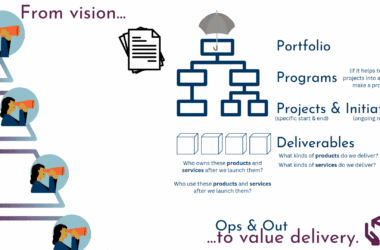
PMI recommends using an “as-is” to “to-be” visual to illustrate — at a high level — how the portfolio aligns with the organizational strategy and objectives. It’s an integrated view
In prior posts I covered portfolio strategic design and the prioritization model (pre‑component). These addressed: Here we will start looking at component‑level portfolio construction Tasks 4–6 in the Strategic Alignment