

Knowledge work today depends on how fast people can form accurate mental models, adapt to new conditions, and transfer learning across domains. Traditional training approaches often slow this process because
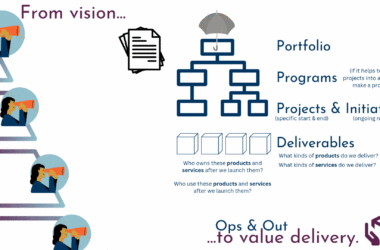
In formal management theory and practice, vision, goals, and objectives define the WHATs, while strategy and business models describe how this will happen in practice… the HOWs. Strategy decisions specify
At the organization level, strategy is the set of choices about where to play, how to win, and what capabilities to build. The enterprise business model gives up the picture
In prior posts I covered portfolio strategic design and the prioritization model (pre‑component). These addressed: Here we will start looking at component‑level portfolio construction Tasks 4–6 in the Strategic Alignment
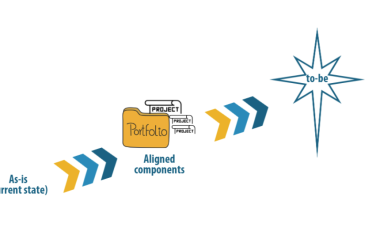
Tasks 1–3 in the Strategic Alignment test domain in PMI’s Exam Content Outline for Portfolio Management describe a sequence that turns broad strategic direction (at the organizational level) into a
These are 2 great tables from the paper: Development of a managerial tool for prioritization and selection of portfolio projects using the Analytic Hierarchy Process methodology in software companies Desenvolvimento
The prioritization model listed in a Portfolio Strategic Plan guides how the portfolio management practice will sort, select, and sequence initiatives. A model defines the criteria that express strategic intent,
Emotions are often perceived as “energy in motion,” intangible experiences, residing somewhere in the mind and heart, influencing our mood and decisions. But what if we shifted our perspective and
A portfolio vision defines what the portfolio (which will consist of set of components, e.g. projects), should achieve for the organization. The vision states the long-term purpose of the portfolio,
Are you looking to boost your cognitive performance and maintain a sharp mind throughout your lifespan? A growing body of research suggests that understanding the intricate relationship between brain signal