A lot of well‑meaning but misinformed people spread notions along the lines of “Change your thoughts to change your life,” or my least favorite, “Your emotions only come from your
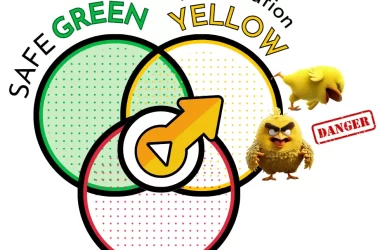
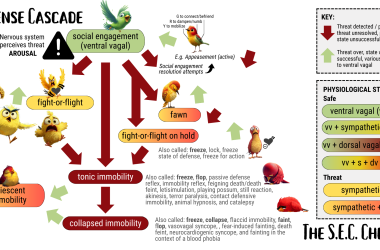
The defense cascade describes the predictable, biologically conserved sequence through which the nervous system responds to perceived threat, moving from mobilization toward immobilization as danger escalates or becomes inescapable. While
In polyvagal theory, neuroception is the brain–body system’s pre‑conscious detection of safety, danger, or life-threat from internal bodily cues, other people, and the environment. This detection then automatically shifts autonomic
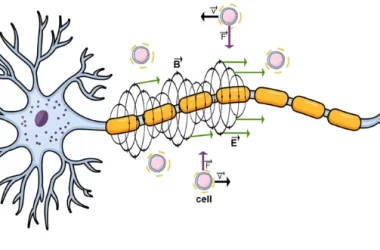
Emotion as output of a threat‑processing cascade Threat processing research supports the idea that bodily and neural state changes begin before conscious “emotion,” which then shapes action tendencies(though the process is
Ditch the checkbox effect. Endless lists of “must-have” trainings. Skills taught in isolation. Leaders and teams buried in content that doesn’t stick. People nod along in workshops, but by Friday
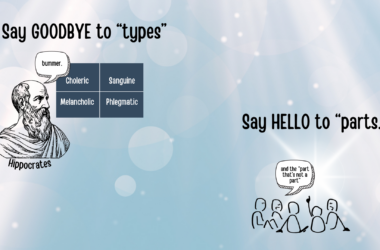
Mind CREW™ acknowledges that we don’t have a singular personality, but rather that we all have different parts that step up depending on the situation—like a Commander part that drives
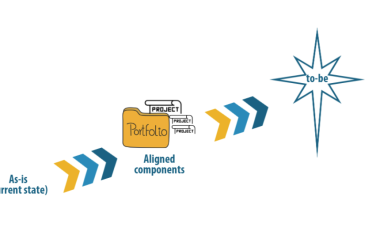
In prior posts I covered portfolio strategic design and the prioritization model (pre‑component). These addressed: Here we will start looking at component‑level portfolio construction Tasks 4–6 in the Strategic Alignment
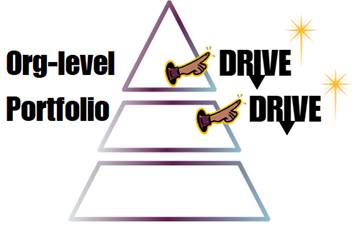
Tasks 1–3 in the Strategic Alignment test domain in PMI’s Exam Content Outline for Portfolio Management describe a sequence that turns broad strategic direction (at the organizational level) into a
An enterprise-level business model converts strategic choices into how the enterprise will create, deliver, and capture value. Strategy tells the organization which customers and needs to prioritize and which competitive stance