A business model explains how value is created, delivered, and captured. It describes how an organization meets customer needs in a way that is financially viable. This includes how revenue flows in, how costs are structured, what resources and partners are used, which customer segments are served, and what channels, offerings, and relationships drive results. It’s not a process map or a workflow—it’s the core logic that holds the commercial side of the organization together.
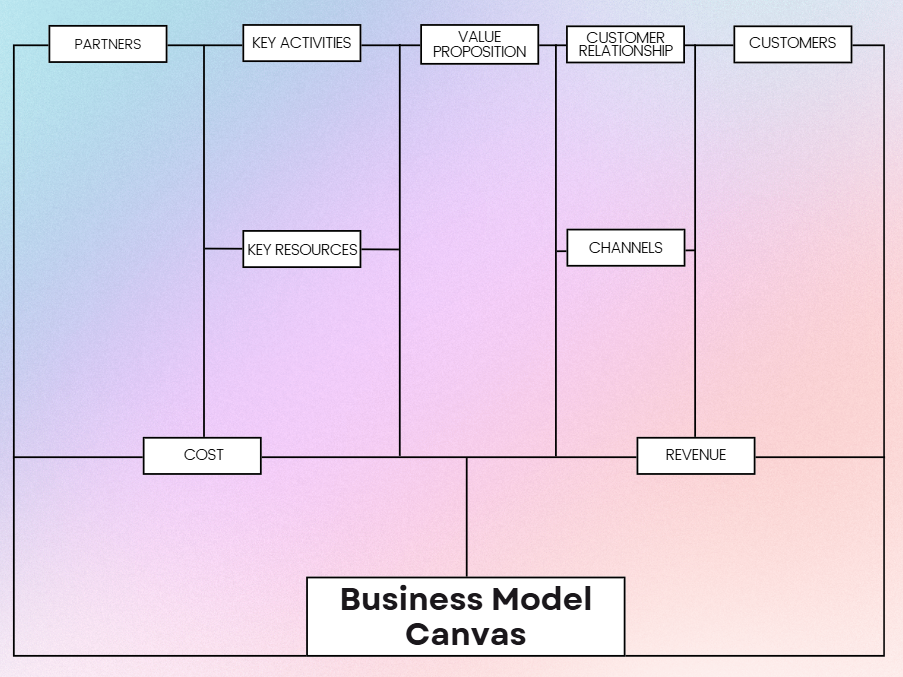
At the enterprise level, the business model sets the foundation for all other strategic and operational choices. But within a larger organization, individual business units (BUs) often operate under their own versions of a business model. If a BU serves a distinct market, offers its own products or services, has control over its pricing, or operates with separate cost and revenue accountability, then it has—or needs—its own business model. This doesn’t mean each BU reinvents the company, but the specifics of how they create and deliver value may differ significantly from one another.
Portfolios can also operate with a business model when they are structured around a customer segment, product family, region, or market with shared value logic. A portfolio might span multiple programs and projects, but still be organized around a coherent value proposition, pricing structure, and delivery system. In this case, defining the business model helps leadership manage investment, measure impact, and make decisions about growth, consolidation, or transformation.
Programs are usually structured to deliver outcomes that align with a business model rather than define one of their own. However, if a program becomes large enough—like a major digital transformation or a new business line rollout—it may temporarily function with its own value logic. In those cases, it’s less about formalizing a full business model and more about clearly articulating how the program contributes to the parent model.
Once a business model is understood or established, the next question becomes how it gets executed. That’s where the operating model comes in. If the business model is the logic of value, the operating model is how that logic comes to life across people, processes, technology, governance, and infrastructure. It defines roles, responsibilities, systems, partnerships, and control points. An operating model gives structure to delivery, alignment to decisions, and accountability to outcomes.
When either the business model or the operating model stops working—due to market shifts, competitive threats, regulatory change, or internal misalignment—something has to give. Changing a business model often means rethinking the value proposition, customer relationships, or revenue streams. Changing an operating model may involve reorganizing teams, introducing new technology, outsourcing functions, or redesigning governance structures. Sometimes one triggers the other. For example, a shift from selling products to selling subscriptions is a business model change that demands a different operating model—from how billing works to how customer success is managed.
Understanding how these models layer, where they live in the organization, and when they need to shift gives leaders a way to act on what matters without defaulting to constant reinvention. Sometimes the work is improvement—tightening what already exists to get better flow, clearer roles, or stronger fit with current conditions. Other times, the business model or operating model requires a significant adjustment to match new customer needs, delivery channels, or internal capabilities. And in some cases, the model no longer fits at all and needs to be replaced—because the logic that once worked no longer holds under present constraints. Business units and portfolios don’t always need to build from scratch, but they do need to stay honest about whether the model in use still fits the terrain they’re navigating. When it doesn’t, the next move starts with facing what the model actually requires—whether that’s refinement, redesign, or a full reset.