Portfolio Composite Index Three-step formula — weighted CPI & SPI with a 70/30 blend What the letters mean CPI — Cost Performance Index. Are you on budget? SPI — Schedule
Every organization tells a story about itself — who it is, why it exists, where it is going, and what it expects from the people inside it. That story is
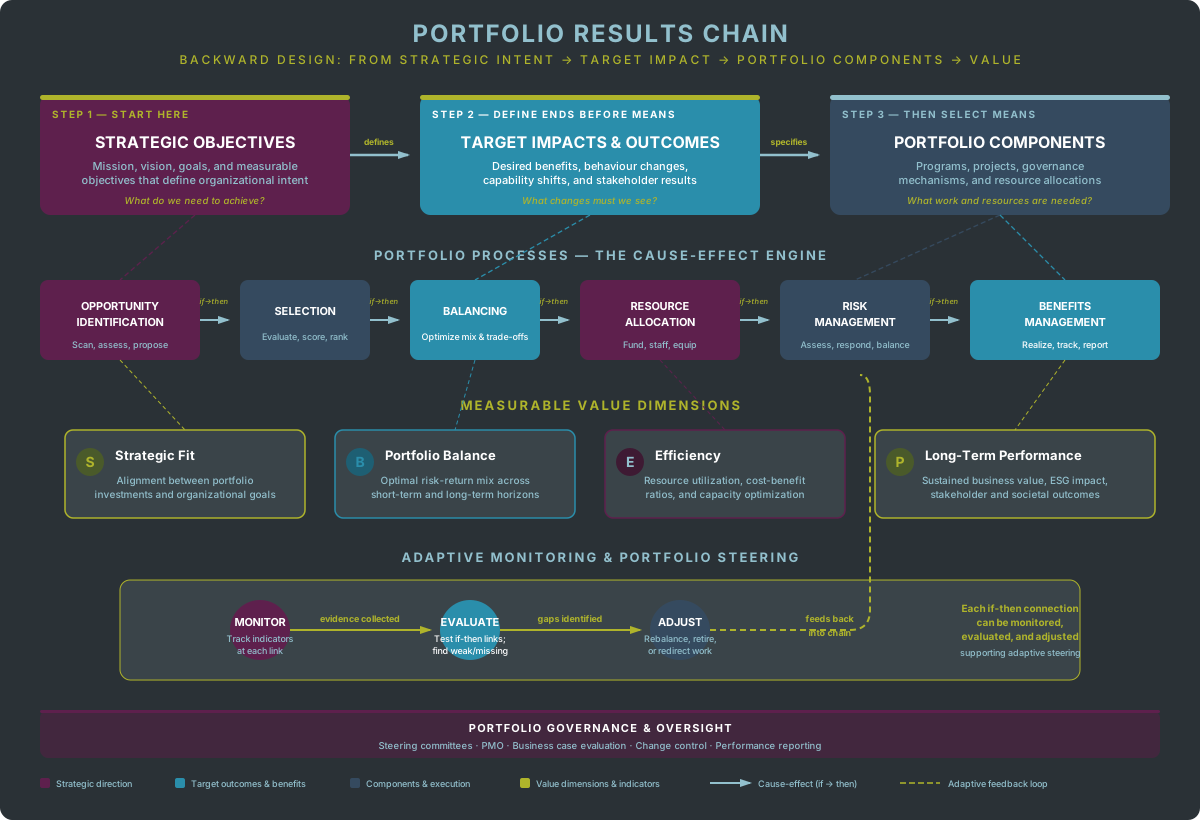
(Right-click and open in a new tab to enlarge) Most organizations are full of well-intentioned work that never quite adds up. Projects finish on time, budgets hold, deliverables get checked
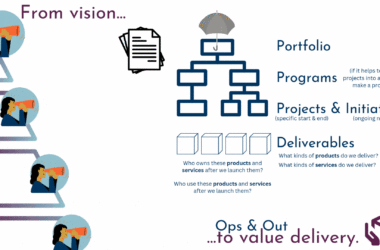
Portfolio and program missions sit between high-level intent and concrete delivery decisions. The timing of mission definition therefore needs to take account of when strategic themes are set, when alternatives
In formal management theory and practice, vision, goals, and objectives define the big WHATs, while strategy and business models describe how this will happen in practice… the big HOWs. Strategy
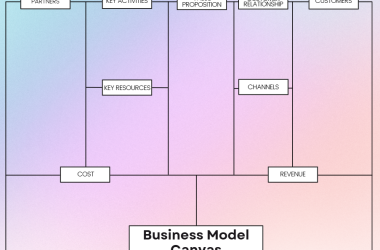
A business model explains how value is created, delivered, and captured. It describes how an organization meets customer needs in a way that is financially viable. This includes how revenue
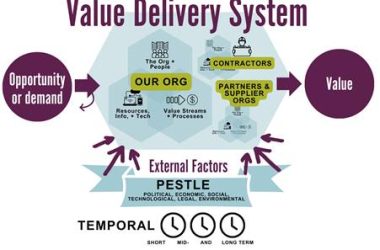
An operating model defines how an organization functions to deliver on its strategy and business model. It’s not the same as structure or process—it’s the full architecture of how decisions
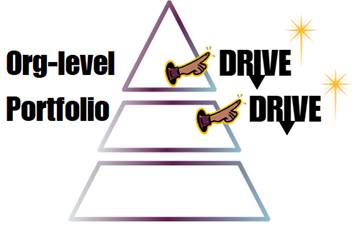
At the organization level, strategy is the set of choices about where to play, how to win, and what capabilities to build. The enterprise business model gives up the picture
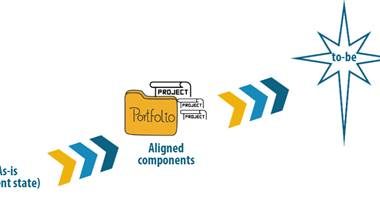
PMI recommends using an “as-is” to “to-be” visual to illustrate — at a high level — how the portfolio aligns with the organizational strategy and objectives. It’s an integrated view
In prior posts I covered portfolio strategic design and the prioritization model (pre‑component). These addressed: Here we will start looking at component‑level portfolio construction Tasks 4–6 in the Strategic Alignment