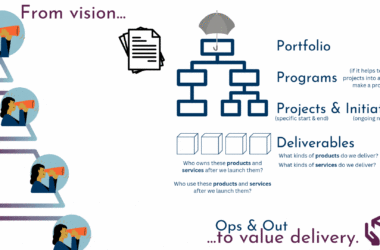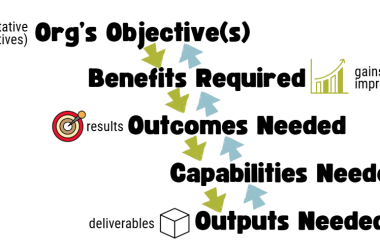
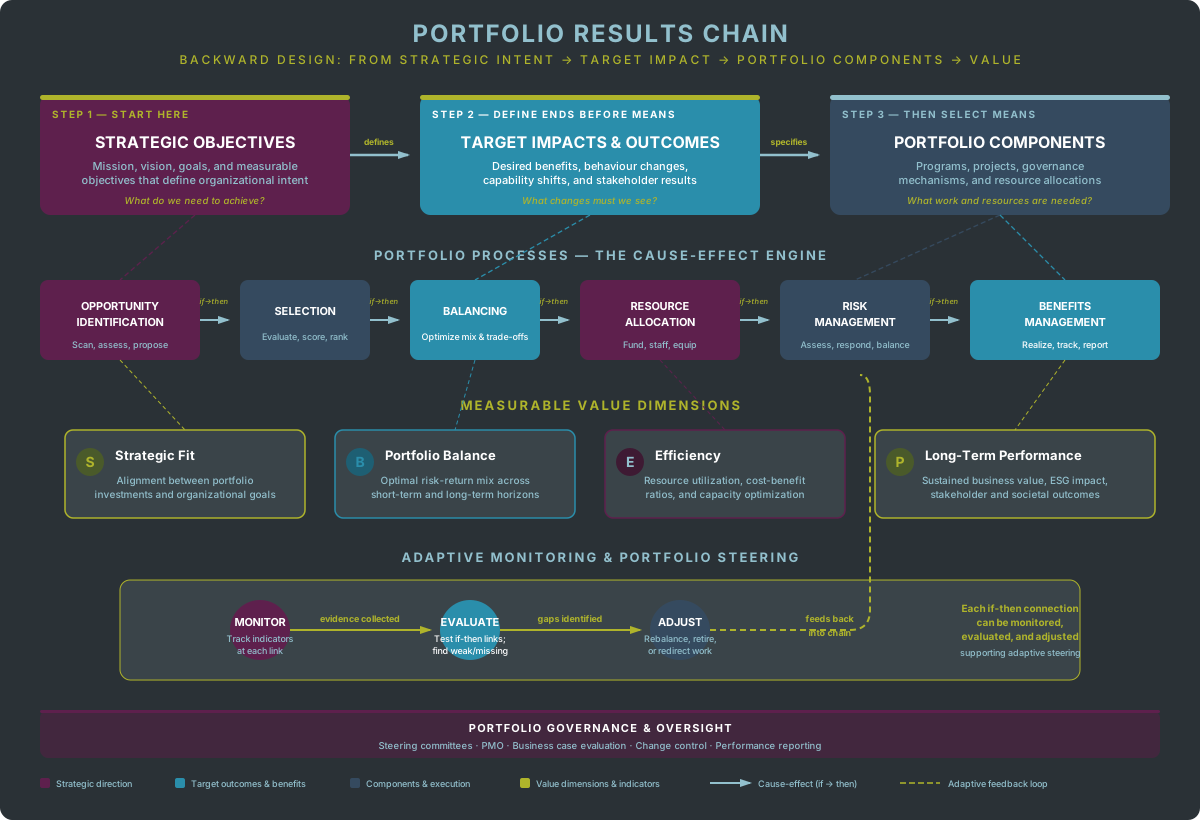
Portfolio and program missions sit between high-level intent and concrete delivery decisions. The timing of mission definition therefore needs to take account of when strategic themes are set, when alternatives
In formal management theory and practice, vision, goals, and objectives define the big WHATs, while strategy and business models describe how this will happen in practice… the big HOWs. Strategy
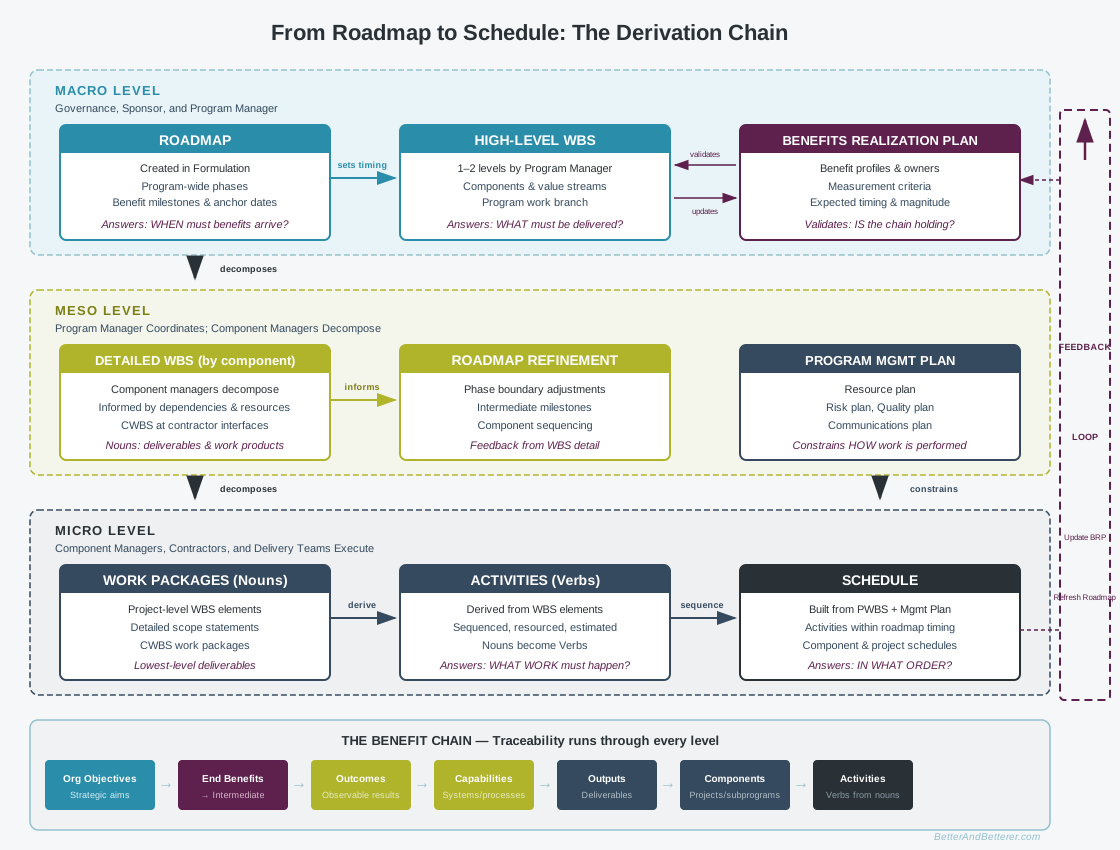
A program roadmap, a work breakdown structure, and a schedule each answer a different question. The roadmap answers when — when must benefits arrive, in what sequence, at what milestones.
The work breakdown structure is one of the most important planning artifacts in program management, but building a good one (and continually iterating) requires understanding what drives it. The top-level
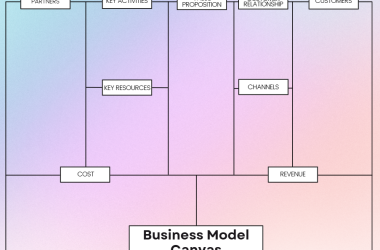
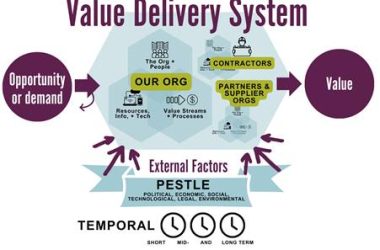
A business model explains how value is created, delivered, and captured. It describes how an organization meets customer needs in a way that is financially viable. This includes how revenue
An operating model defines how an organization functions to deliver on its strategy and business model. It’s not the same as structure or process—it’s the full architecture of how decisions
In prior posts I covered portfolio strategic design and the prioritization model (pre‑component). These addressed: Here we will start looking at component‑level portfolio construction Tasks 4–6 in the Strategic Alignment
Tasks 1–3 in the Strategic Alignment test domain in PMI’s Exam Content Outline for Portfolio Management describe a sequence that turns broad strategic direction (at the organizational level) into a
These are 2 great tables from the paper: Development of a managerial tool for prioritization and selection of portfolio projects using the Analytic Hierarchy Process methodology in software companies Desenvolvimento
As you complete your application, every example must reflect a program-level mindset. Whether the prompt is about benefits, stakeholders, risk, governance, or life cycle, each response needs to demonstrate how