








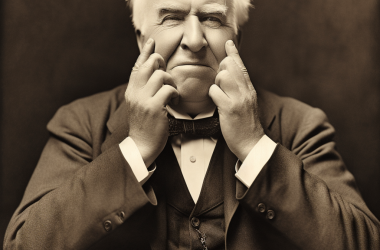
Life gets overwhelming sometimes. When it feels like stress is taking over, you need fast and accessible tools to regain your cool. One method that leverages your own biology for
If you’re in a position of leadership, you’re no stranger to the high demands and expectations that often come with the role. But did you know that your ability to
Emotional Intelligence (EI) is often depicted in four key quadrants: self-awareness, self-management, social awareness, and relationship management. Back in 2017 Google looked at over 100 teams and they found out
Humor In positive psychology, humor is considered a character strength and a pathway to wellbeing. It involves the cognitive and emotional ability to perceive and appreciate incongruities and absurdities in
Assessing Imposter Syndrome through an Internal Family Systems (IFS) Lens Thanks to WELCOA’s insightful article Can We (Please) Move Beyond Imposter Syndrome?, I have revisited and updated this post. The
In Project Management, the “PMI way,” we address two type of reserves, the contingency reserve which is the budget set aside to cover potential costs for things that are identified
Special thanks to Violeta Donawa, LMSW, MA, ADS, whose conversations are always so educational and thought provoking. When we first met, we were exploring Havening Techniques® and the conversation led
If we keep talking about “emotional hijacks,” then we will likely keep playing whack-a-mole with our triggers. Typical workplace EI advice for triggers comes as “forewarned is forearmed,” but really
“Personal accountability is never about others, it’s always about me looking in the mirror and making better choices.” John G. Miller The concept of personal accountability and taking responsibility for one’s actions
Kata coaching refers to a specific coaching methodology based on the concept of kata, which originated in Japanese martial arts. In this context, “kata” refers to a structured practice or