For the Strategic Alignment domain, you must respond to one of the following two experience prompts:
- Identified and prioritized portfolio criteria and evaluated portfolio component priorities based on the organization’s strategic goals and objectives
- Created and/or updated a portfolio roadmap based on the organization’s strategic goals and objectives
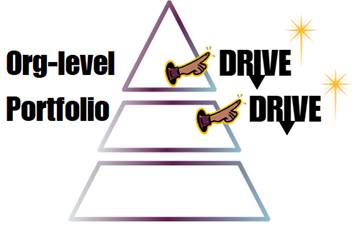
Both prompts require a portfolio-level mindset. You need to show how your work supported alignment to strategy, informed portfolio-level decisions, and influenced the mix, sequencing, or prioritization of components. The questions below are designed to help you uncover and structure examples that reflect what PMI is looking for.
Questions to help candidates think through Prompt 1: Prioritization Criteria and Component Evaluation
Use these questions to develop your example:
- What strategic goals or business objectives were in play?
- What types of components were being considered? (projects, programs, operations)
- What prioritization criteria did you define or apply? (e.g. ROI, strategic fit, risk, urgency, resource demand)
- How did you evaluate or score components against those criteria?
- Did you use a scoring model, prioritization matrix, or evaluation tool?
- Did you explore different scenarios or use what-if analysis to assess trade-offs?
- What recommendations or decisions came out of this process—what was included, excluded, re-prioritized?
- Who made the final decision—what governance process was followed?
- What changed in the portfolio as a result? (alignment, focus, use of resources)
PMI terms and tools to consider:
Strategic alignment, prioritization criteria, component scoring model, cost-benefit analysis, interdependency map, sensitivity analysis, what-if scenarios, portfolio selection thresholds
Questions to help candidates think through Prompt 2: Portfolio Roadmap Creation or Update
Use these questions to guide your response:
- What strategic objectives or goals were driving the roadmap? (growth, compliance, cost control, etc.)
- Which components were included in the roadmap? How were they selected or sequenced?
- What trade-offs did you have to manage (timing, dependencies, resource constraints)?
- Did you account for interdependencies between components? How?
- Did you update the roadmap in response to shifting strategy, external change, or vendor delays?
- How did you evaluate different sequencing options or delivery strategies?
- What tools or techniques did you use (roadmap tools, what-if analysis, scenario comparison)?
- How did you present roadmap options or changes to decision-makers?
- What changed in the portfolio based on the roadmap (resource alignment, delivery pacing, component timing)?
- How did your roadmap help maintain alignment with the organization’s evolving strategy?
PMI terms and tools to consider:
Portfolio roadmap, component sequencing, strategic alignment, interdependency analysis, scenario planning, roadmap updates, trade-off analysis, what-if analysis
Both prompts require outcomes. Show what changed as a result of your decisions—component mix, prioritization, sequencing, stakeholder alignment, delivery timing, etc. Use specific examples, real decisions, and PMI-aligned language throughout.
Brainstorming checklist (for all PfMP prompts)
Here’s a list they should run through before writing:
- Did I articulate the strategic driver or business goal/objective behind my decision?
- Did I use a PMI term (component, interdependency, prioritization, portfolio roadmap, strategic alignment, value scoring, risk thresholds, stakeholder influence)?
- Did I show a decision point (or recommendation) and explain the why of that recommendation?
- Did I use a tool or technique (scoring model, scenario analysis, prioritization matrix, risk register, stakeholder grid) and explain how I used it?
- Did that decision influence the portfolio as a whole?
- Did I mention handling trade-offs, constraints, or strategic change?
- Did I show handling governance, escalation, or threshold rules?
- Did I include an outcome—what changed, what was the benefit, what value was realized?
- Did I simplify language so a reviewer unfamiliar with my org can understand strategic logic?
- Did I avoid component-level or execution descriptions and stay focused on the portfolio management mindset?