As you complete your application, every example must reflect a program-level mindset. Whether the prompt is about benefits, stakeholders, risk, governance, or life cycle, each response needs to demonstrate how you managed interrelated components to deliver outcomes and realize strategic benefits that couldn’t be achieved if those components were managed independently. It’s not enough to show you executed projects well. You need to show you orchestrated them as a program — integrating delivery, managing dependencies, and aligning the work with strategic objectives.
Anchor your responses in outcomes that enable benefits.
What changed in the organization because of what you did at the program level? What strategic goals or objectives were at stake? How did your actions accelerate benefits, improve coordination, or maintain alignment with shifting priorities? (Especially focus on the benefits!) Benefits realized, outcomes delivered, synergies achieved — these are what prove you were operating with a program manager’s mindset.
Avoid generic statements.
PMI doesn’t want summaries of your job. “I led program planning” or “I managed stakeholder engagement” is not enough. Instead, describe a specific decision or situation, what you did, and how it helped deliver the program’s outcomes. For example: “Redesigned the governance model to clarify decision rights between the steering committee and program team, which reduced cycle time for high-impact decisions.”
Use PMI terminology and back it with specifics.
The language you use should match the PgMP ECO and The Standard for Program Management. Use the terms they — outcomes, benefits, interdependencies, governance framework, stakeholder engagement — and always tie them to the real decisions and actions you took in your program. Copy/pasting or paraphrasing their ECO or book contents is not going to cut it!
Examples by performance domain:
Strategic Alignment: program roadmap, program charter, business case, benefits realization plan, alignment with strategic goals, interdependencies across components, sequencing based on value delivery, balancing near-term and long-term benefits.
Benefits Management: benefits identification, benefits register, benefits realization plan, sustainment planning, early wins, benefit KPIs, benefit transitions, benefit tracking beyond closure, decisions based on benefit/value contribution.
Stakeholder Engagement: stakeholder matrix, influence grid, stakeholder communications strategy, expectation alignment, feedback loops, managing conflicting interests across components, targeted communications.
Governance: governance framework, escalation paths, decision authority, phase gates, governance board, compliance tracking, integration with enterprise governance, governance tailoring for program complexity.
Program Life Cycle: component initiation, resource optimization across components, program integration, issue escalation and resolution, managing change across projects, interdependencies, phase transitions, delivering program-level outcomes.
Use PMI terms but show what they looked like in practice.
It’s not enough to say “developed benefits realization plan.” Say how you did it and what the result was: “Created a benefits realization plan aligned to five-year strategic priorities, staged delivery for early wins, and linked metrics to operational KPIs, accelerating executive buy-in.”
Tie everything to strategic drivers and benefits realization.
PMI expects a program-level view. If your story stays in project-focused delivery mode, you’ll likely miss the bar. Always tie your work to the realization of planned benefits. (Project) Outputs –> Capabilities –> Outcomes –> Intermediary Benefits –> Benefits –> Objective(s) met. Since we only undertake programs (and group projects, etc. into them) when we can get gains (benefits) we otherwise couldn’t achieve if we managed those projects/etc. separately, try to touch on the synergies and interdependencies.
Write for a strategic audience.
Assume the reviewer doesn’t know your org, industry, or acronyms. Be clear. Stay business-focused. Say what changed as a result of your leadership. Don’t say you “also managed projects.” Only talk about your role as the program manager. That said, it’s good to mention how you contributed to:
- Organizational change management
- Knowledge management
- Continual improvement
When relevant, describe how these practices helped deliver sustainable benefits or smooth transitions.
Bottom line: show you led a program, not a group of projects.
PMI wants to see how you connected strategy to delivery through coordinated components. Make your thinking visible. Make the outcomes obvious. And above all, show that you led the program — and led it well.
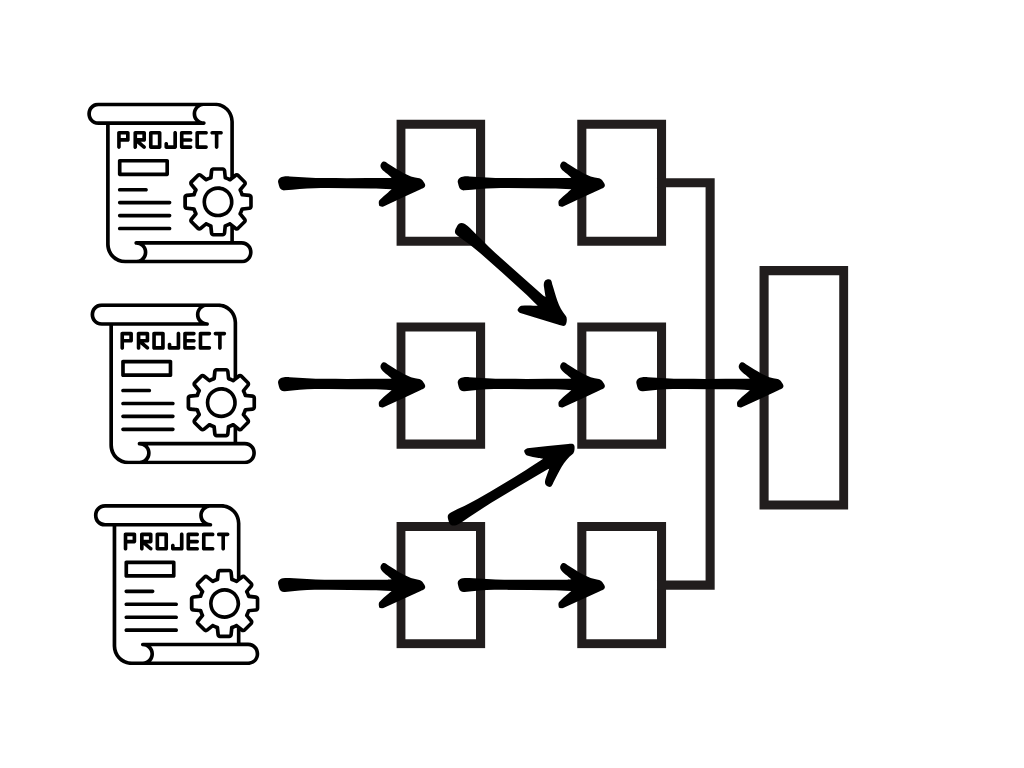
You will have choices when it comes to your experience summaries.
1. Strategic Program Management – For Option A or Option B, describe and provide specific examples of how YOU either:
A. Developed program justification and business case in alignment with the organization’s strategic plan
OR
B. Monitored the business environment, program goals, and benefits realization plan in order to ensure the program remains aligned with the organization’s strategic objectives
2. Benefits Realization – For Option A or Option B, describe and provide specific examples of how YOU either:
A. Defined and monitored benefits realization measurement criteria
OR
B. Identified opportunities that resulted in optimized program benefits
3. Stakeholder Management – For Option A or Option B, describe and provide specific examples of how YOU either:
A. Identified and analyzed program stakeholders
OR
B. Developed clear expectations and program acceptance criteria with program stakeholders
4. Governance – For Option A or Option B, please describe and provide specific examples of how YOU either:
A. Established and adapted the program governance model
OR
B. Identified and evaluated risks and their impact on the program objectives throughout the programs
5. Program Life Cycle – For Option A or Option B, please describe and provide specific examples of how YOU either:
A. Managed and optimized the use of resources (human, materials, equipment, facilities, finance, etc.) across component projects
OR
B. Managed and resolved program-level issues and issues escalated from component project(s)
0 Comments