

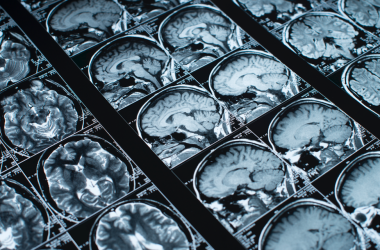
Multitasking feels productive, but the brain does not run parallel processes the way a computer does; it rapidly switches attention between tasks, and each switch carries a cognitive cost. That
Knowledge work today depends on how fast people can form accurate mental models, adapt to new conditions, and transfer learning across domains. Traditional training approaches often slow this process because
Ditch the checkbox effect. Endless lists of “must-have” trainings. Skills taught in isolation. Leaders and teams buried in content that doesn’t stick. People nod along in workshops, but by Friday
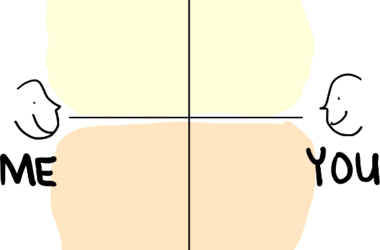
The traditional will/skill matrix categorizes people into four quadrants based on their willingness (“will”) and ability (“skill”) to perform a task. It assumes that low will or low skill are
Here are the 3 MAIN States: 🟢 Green Feather Mode: The Ventral Vagal State 🟡 Yellow Feather Mode: The Sympathetic State 🔴 Red Feather Mode: The Dorsal Vagal State 🌈
Today, success is rarely achieved through solo efforts. Creating a thriving team culture means fostering a sense of interconnectedness amongst members. When employees feel valued for their unique contributions and
If you’re in a position of leadership, you’re no stranger to the high demands and expectations that often come with the role. But did you know that your ability to
Emotional Intelligence (EI) is often depicted in four key quadrants: self-awareness, self-management, social awareness, and relationship management. Back in 2017 Google looked at over 100 teams and they found out
Humor, play, and joy bring the biological spacesuit into a healthier physiology: The physiology of safety and connection. This is the GREEN physiological state, where the smarty pants brain gets
Trauma responses are normal reactions to abnormal situations. Experiencing trauma is common, but its effects are often very long-lasting. Trauma refers to any distressing event that causes emotional, psychological, or physical harm.